When do I get a container number?
After the container is gated in at the origin terminal. Before that, track the bill of lading or the booking number.

Consignment tracking
Opening consignment tracking
Ocean
Port-to-port and door-to-door containers, and consolidated cargo when you do not need a full box.
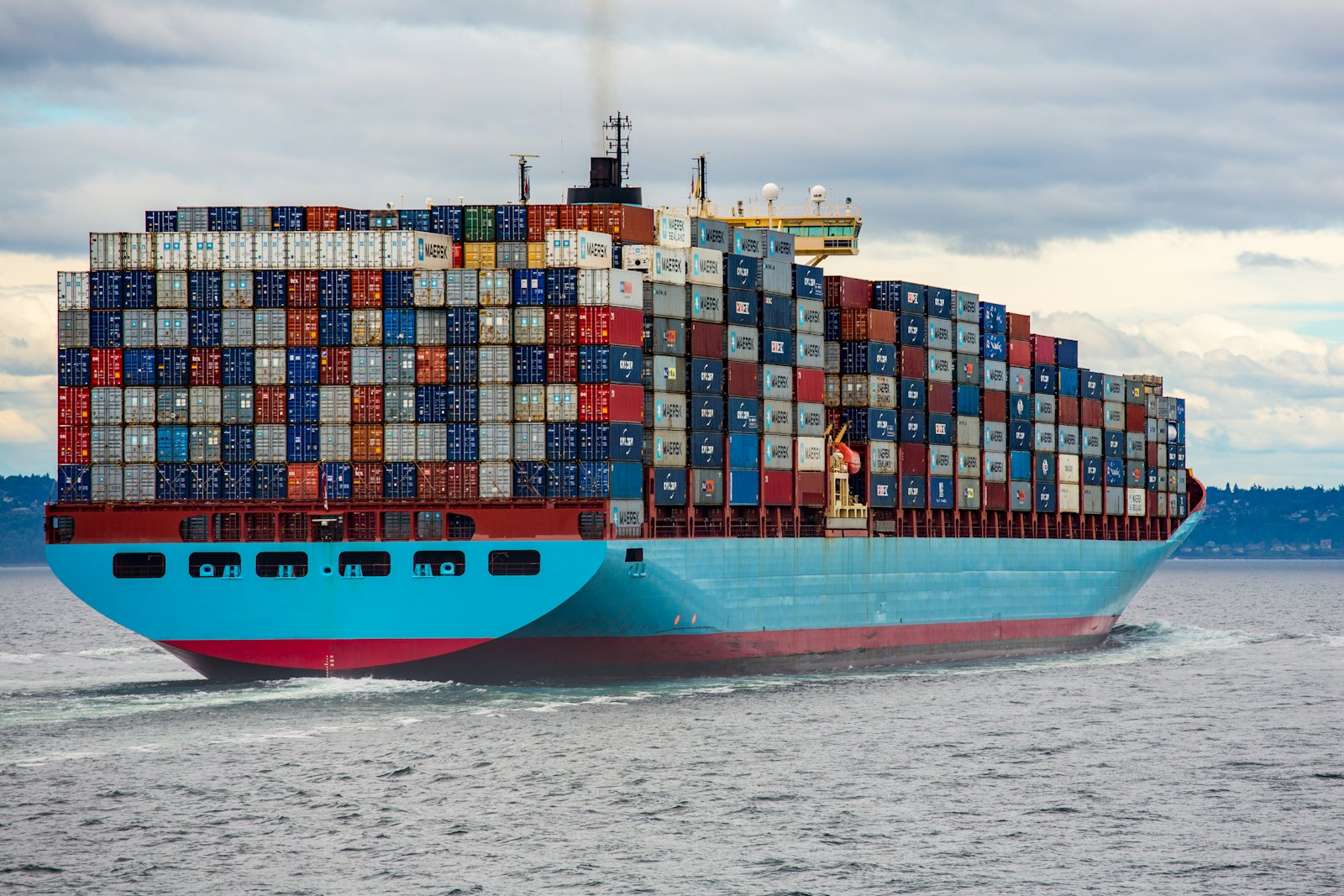
Ocean freight moves by vessel. A full container stays sealed for your cargo. Less-than-container freight is consolidated with other compatible cargo and deconsolidated at destination. Both need a bill of lading and a cutoff you can meet.
The booking confirmation names the cutoff, the equipment, and the charges. Transit times and sample rates on this site are explanations, not that confirmation. Operations records a milestone only after the cargo or the document has actually moved.
A quote is not a booking. The booking starts when you accept the rate, the cutoff, and the document list in writing.
You book the container. Typical dry equipment is a 20-foot or 40-foot box, including a 40-foot high cube when the port and the cargo allow it. Your goods are not mixed with another shipper inside that container.
Door-to-door adds a truck at origin, a truck at destination, or both. Port-to-port starts and ends at the terminals named on the booking.
LCL is rated on weight or measure, whichever produces the higher charge. The cargo goes to an origin warehouse, waits for the consolidation, sails, and is unpacked at a destination warehouse before the final delivery.
That extra handling makes LCL slower than a full container on the same sailing. It is the right choice when the cargo is too small for a box of its own.
International ocean cargo needs a commercial invoice and a packing list that match the goods, plus the shipper and consignee names that will appear on the bill of lading. A late document can miss the vessel even when the cargo arrived on time.
These details decide the equipment and the cutoff. They are not a rate.
| Detail | Why it matters |
|---|---|
| Origin and destination | Sets the port pair and whether a truck is required |
| Ready date | Sets which sailing we can still make |
| Weight and cube | Decides FCL equipment or the LCL chargeable measure |
| Commodity | Shows if the cargo is general, oversized, or restricted |
Pieces, weight, dimensions, and whether it can be stacked.
We confirm equipment or the warehouse that will receive LCL.
Cargo and documents both have a deadline before the vessel.
Use the bill of lading or the container number after gate-in.
After the container is gated in at the origin terminal. Before that, track the bill of lading or the booking number.
The booking says which party is responsible. Free time starts as the terminal or the carrier defines it, not when the email is opened.
Only if the terminal and the booking allow it. Extra days become demurrage or storage.
A firm rate, a booking, and a tracking number come from operations. This page explains the service. It is not a live tariff.

Online · Pinnacle Cargo Limited